Christmas, Then and Now— Holding Tradition Lightly
Christmas has meant many different things to me over the years, and like many of us, my relationship to `the holidays has shifted alongside the stages of my life. Looking back, I can see how those early experiences shaped my expectations, how some parts became heavy over time, and how I am learning, slowly, to hold Christmas more lightly now.

Growing up, Christmas was defined by tradition. There was a rhythm to it: driving around to see Christmas lights, candles glowing during midnight mass, and the quiet magic of coming home in the dark, followed by the fullness of Christmas Day—big breakfasts, elaborate dinners, and a house filled with people, food, and sound.
Much of that magic came from my mother’s labour: the planning, cooking, organizing, and emotional holding that made Christmas work. Even as a child, I could sense both her care and her stress. I felt grateful for the beauty of these traditions, but I also absorbed the unspoken pressure to maintain them.
When I moved away from the Maritimes as an adult, Christmas took on a different tone. It became about travel and returning home, navigating time off, and reentering a place thick with memory and expectation; there was an abundance to it! Those years were meaningful but intense. Joy and connection existed alongside a kind of emotional density—exhaustion, grief, and the sense of trying to fit everything in.
What I find most difficult now is the familiar pull to “do it right.” There is often an unspoken script about how much time we should spend with family, which traditions must be upheld, and how happy or grateful we are supposed to feel. In this busy, messy stage of life, that pressure can pull me out of the present. I notice how easy it is to become attached to ideas of how things should unfold, rather than making space for how they actually are. When illness hits, plans change, or energy is limited, rigid traditions can become barriers to connection rather than pathways to it.
Over time, the holidays have become quieter. We stay home more. There is more cuddling, more rest, and fewer moving parts. The joy of Christmas morning still exists—especially through my children—but I have learned to pare things down. Instead of holding onto every tradition, I focus on meaningful touchstones: being together, the soft glow of lights on a small tree, incorporating my partner’s Hanukkah traditions, and familiar sensory memories like the smell of mincemeat or the richness of good cheese. These anchor me without overwhelming me.
One enduring tradition comes from my mother’s German background: celebrating on Christmas Eve, opening gifts after midnight mass. As a child, we were allowed to open one present that night, and it was always my favourite. There was something sacred about the darkness, the soft lights, and the quiet. My siblings and I eventually began exchanging gifts with each other then, creating space to appreciate how we had thought of one another without the rush of the next day.
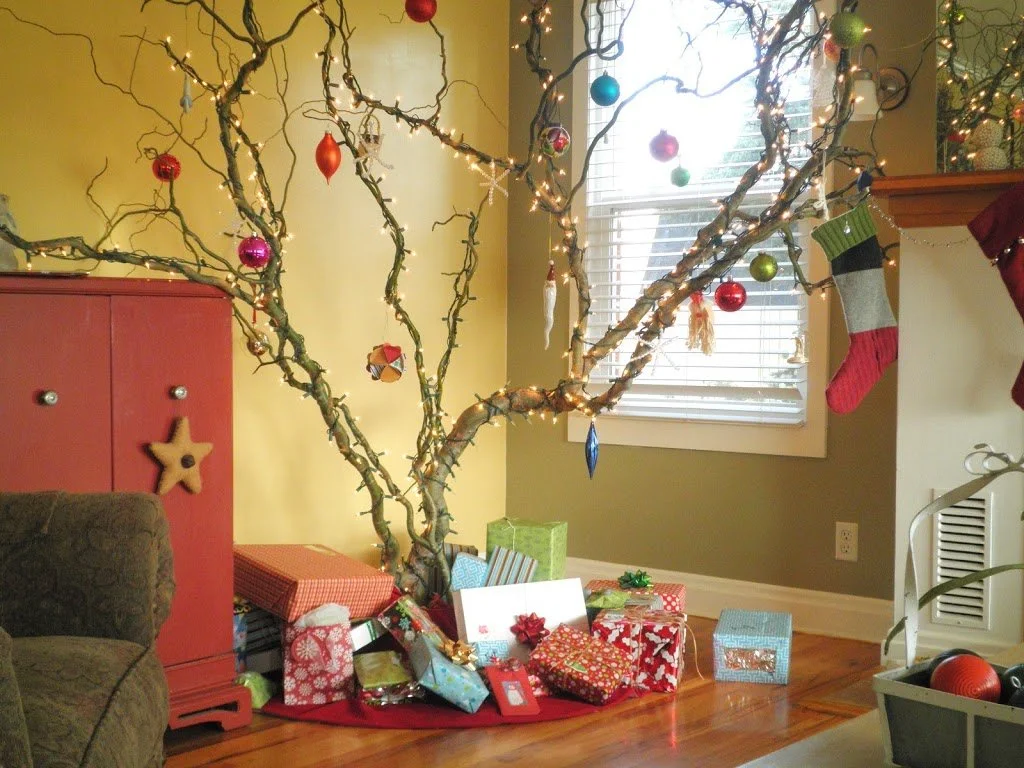
What I love most about the holidays today is the growing ability to ask what truly matters each year, and to keep a small through line to those pieces without clinging to rigid traditions. The holidays do not have to be perfect or polished to be meaningful. Sometimes it is enough to be present, adapt, and allow the season to meet us where we are.
Now, I carry that tradition forward with my own children. On Christmas Eve, they open cozy pajamas and a book—gifts that lend themselves to calm rather than excitement. It is a pause before the storm, a moment of connection and settling. I hope one day they will choose to share gifts with each other during this quiet ritual, just as my siblings and I once did.
Happy Holidays.